

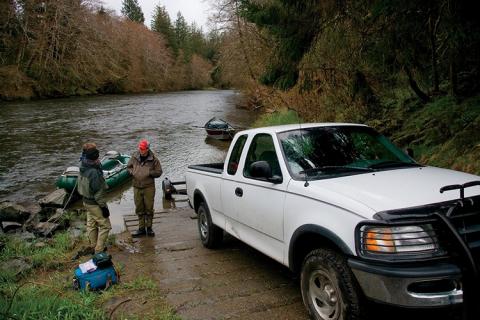
Boat launch activity can range from placid to pandemonium — or anywhere in between. Line-ups and on-the-ramp mishaps can send impatient individual's stress-levels soaring; conversely a vacant launch on a calm day is a welcome sight to any boater. Boat launches are often busy, but they don't have to be chaotic. Here are some tips for keeping your boat launch experiences running as smooth as the drag of a new fishing reel.
Launching a boat can be challenging, especially for anglers who are new to the process. A little preparation and patience can make the entire experience safer, easier, and far less stressful.
Homework: Ask Questions About the Boat Launch
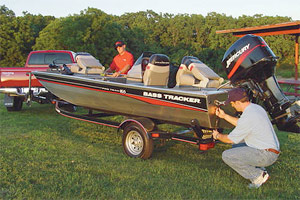 |
| Preparation is critical for boat launching to be a smooth operation |
A little digging can go a long way when it comes to using a launch for the first time. If you can, ask local anglers, bait shop owners, or guides about the state of the launch. Key questions include: Is it gravel or concrete? How many boats can launch at once? Is there a dock? Is the ramp in good condition? Is there a fee? And if you have a larger boat, is there enough depth?
Knowing about a sub-par launch ahead of time allows you to prepare — or avoid it altogether. Also be sure to get directions. Driving in circles is frustrating on a good day, and much worse when towing a boat.
Keep the Boat Trailer & Gear in Good Condition
Just as important as knowing the launch itself is being prepared with the right gear. Your trailer should be in top condition, including working lights, properly inflated tires, good bearings, and secure winch straps and safety chains. A failure here can stop your trip before it even begins.
Before leaving home, it’s smart to check tire pressure, inspect bearings for proper grease, and confirm all tie-down straps and safety chains are secure. A quick walk-around can prevent roadside breakdowns or delays at the ramp.
You’ll also want to have the right gear ready: a bowline for securing the boat, spare lines for the stern, fenders or bumpers for dock protection, and a spare drain plug and keys. Always carry required safety equipment, including life jackets, paddles, a signaling device, a bailer, and a throw rope.
 Tip: 10 Boating Essentials Under $25
How-to Launch a Boat
Phase One: Preparing Your Boat
Preparation is critical for a smooth launch. Most ramps have designated pre-launch areas — always use them and never prepare your boat on the ramp itself. Even if the launch appears empty, clogging the ramp creates poor launch etiquette and delays others.
))/3007810.json?$Prod_PLPThumb$)
Before backing down the ramp, walk it to confirm conditions are safe for your rig. Steep or slippery ramps, poor weather, or shallow water can all create hazards.
When preparing the boat, remove the tarp and transom straps, load remaining gear, confirm the drain plug is installed, check fuel levels, and make sure the keys are in the boat. Disconnect trailer wiring to prevent blowing bulbs when submerged.
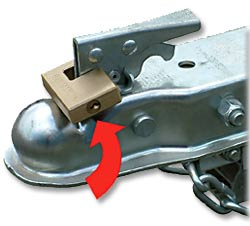 |
| Using a trailer hitch or coupler lock can reduce possible thievery. |
Review the launching process with your partner before backing in. First-time helpers should be warned about the weight of the boat — boats can pull unexpectedly once they begin to float.
Experienced boaters may launch with someone already in the boat, allowing the rig to clear the ramp quickly. This should only be done if the boat is known to be in good working order.
Phase Two: The Boat Ramp and Water Entry
Back down the ramp slowly and deliberately. Small steering corrections help keep the trailer straight. If you’re new to backing a trailer, practice in an empty parking lot before heading to a launch.
Engage the parking brake before exiting the vehicle — ramps are inclined for a reason. This prevents the vehicle from sliding toward the water.
Back in far enough for the boat to float free. Bunk trailers generally need deeper water than roller trailers. If alone, secure a bowline before pushing the boat off.
Once the boat is floating, check mirrors carefully as you pull away to ensure no straps or lines are still attached. Vacate the ramp promptly so others can launch.
Phase Three: Vehicle Parking, Leaving the Boat Launch
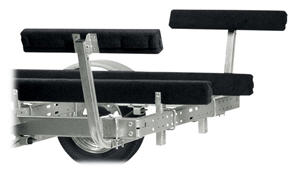
Park your vehicle and trailer efficiently and safely. Minimize the space you take up, watch for pedestrians, and use the parking brake. Launch areas can be prime theft targets — keep valuables out of sight.
After parking, pay any required fees and return to the boat. Observe no-wake zones and idle away from the ramp until reaching safe depth. Taking your time here prevents damage and keeps launches safe for everyone.
Extra Features to Make Boat Launching Easier
The trailer supplied with your boat is sufficient, but certain accessories make launching easier and safer.
Tip: Shop Trailer Accessories at Bass Pro Shops
- Guide-ons and rollers to help align your boat on the trailer
- Cleats and clips for securing throw lines and dock lines
- Coupler and tire locks to deter theft
- Transom tie-down straps for secure trailering
Launching and loading a boat safely is about preparation, patience, and courtesy. Take your time, be thorough, and remember that everyone at the ramp is trying to enjoy the day. A little patience goes a long way.
- 24219 views