


Stay Safe on the Water: 7 Essential SUP Safety Tips
Stand up paddleboarding is a great way to enjoy the outdoors, but safety should always come first. Whether you are just getting started or have years of experience, these tips will help you stay safe and confident on the water.
1. Check Weather and Water Conditions
Always review the weather before heading out and monitor conditions while you are on the water. Wind, storms, and changing water conditions can develop quickly and make paddling unsafe.
If you are new to paddleboarding, choose calm water with little wind. Avoid paddling when winds are blowing away from shore, as it may be difficult to return. Watch for boats, swimmers, tides, and hidden obstacles below the surface.
2. Dress for the Water Temperature
Dress based on water temperature, not just air temperature. Cold water can be dangerous even on warm days. If the water is 60°F or colder, wear a wetsuit or other thermal protection.
Wear bright or high-visibility clothing so others can see you. Paddleboards sit low in the water and can be harder for boaters to spot.
3. Always Wear a Leash
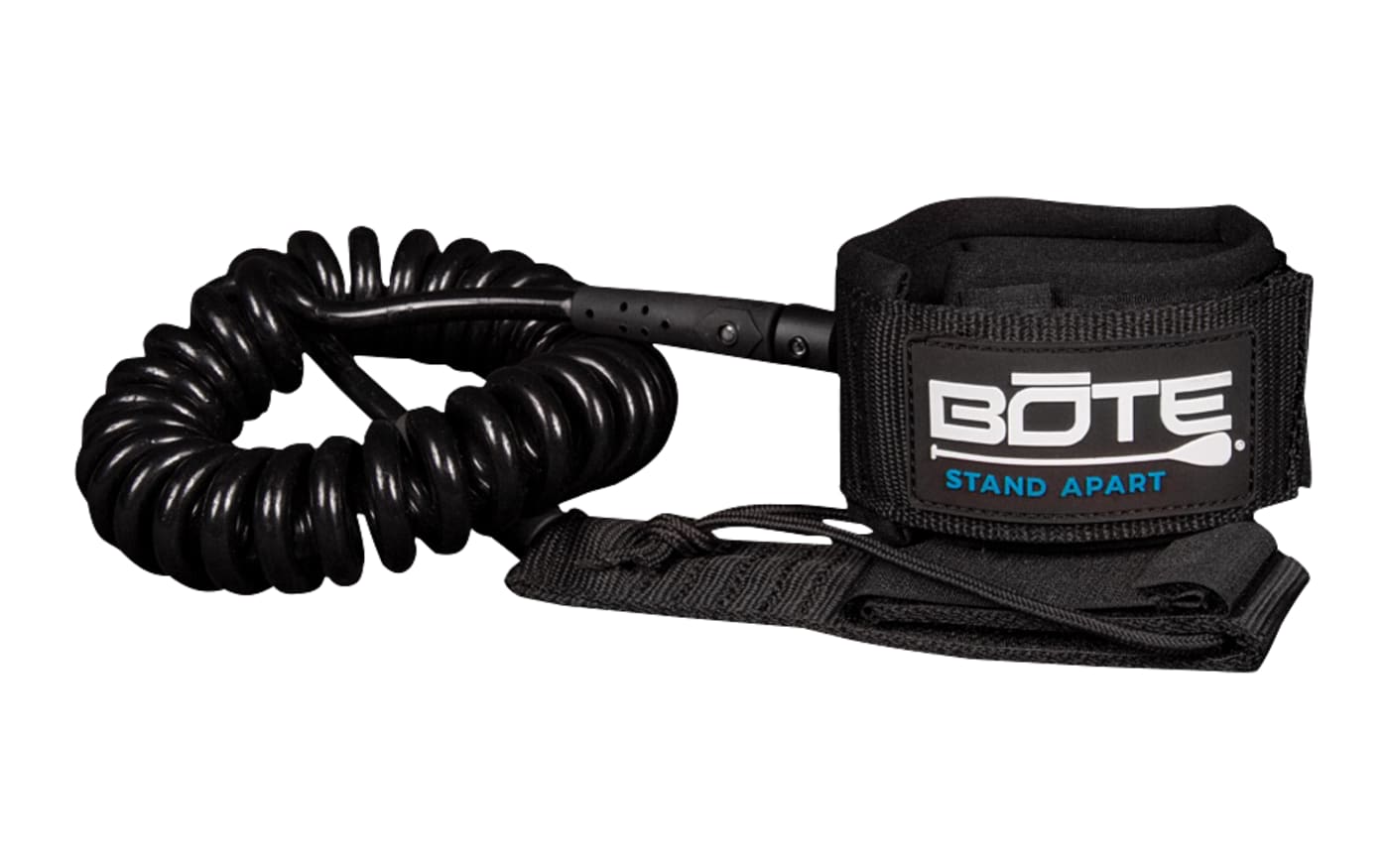
A leash keeps you connected to your paddleboard if you fall. Wind or current can quickly carry your board away without it.
Use a quick-release leash when paddling in rivers, surf, or areas with obstacles where being attached could become unsafe.
4. Use a Life Jacket (PFD)
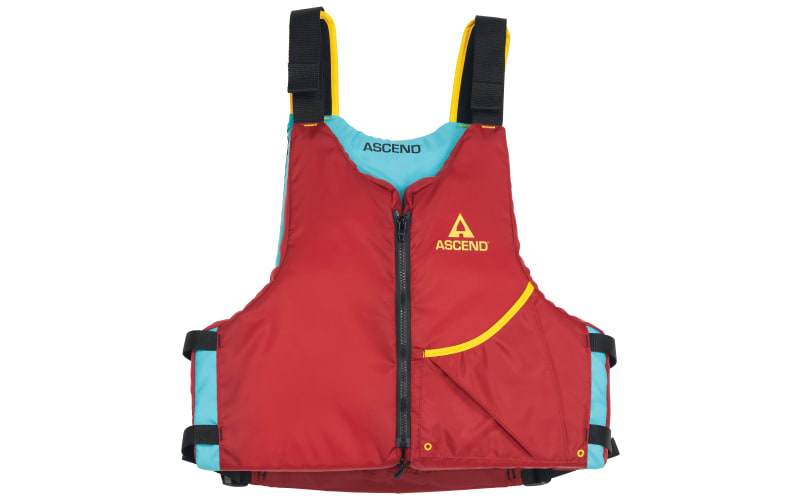
Wear a properly fitted life jacket every time you paddle. A Type III PFD is a great choice for paddleboarding.
Even strong swimmers can get tired or face unexpected conditions. A PFD adds an important layer of safety.
5. Share Your Plan and Bring Communication
Tell someone where you are going and when you plan to return before you leave. This helps others act quickly if something goes wrong.
Bring a way to communicate in an emergency. Keep your phone in a waterproof pouch, but do not rely on it alone. A handheld VHF marine radio can be a more reliable option on the water.
6. Paddle with a Partner

Paddling with a friend is safer and more enjoyable. If an issue comes up, you will have someone nearby to help.
Even experienced paddlers benefit from having a partner on the water.
7. Take a Lesson or Safety Course
Taking a class can help you build confidence and improve your skills. Learning proper technique and safety basics reduces risk on the water.
For extra preparation, check out the ACA paddlesports online course.
- 623 views