

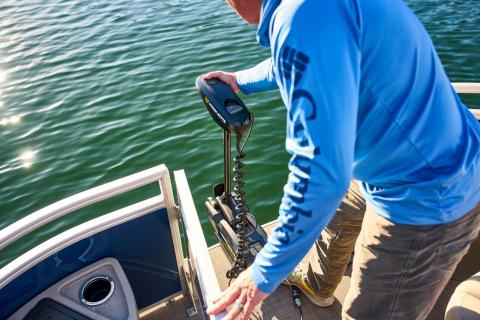
How to Choose the Right Trolling Motor
Selecting the right trolling motor comes down to five key factors:
This guide breaks down each factor to help you choose the best motor for your boat and fishing conditions.
1. Thrust: How Much Power Do You Need?
Trolling motor power is measured in pounds of thrust. The heavier your boat, the more thrust you need.
General Rule of Thumb
Use 5 pounds of thrust for every 200 pounds of total boat weight.
Total weight includes:
- Boat
- Outboard motor
- Fuel
- Batteries
- Passengers
- Gear
These are minimum recommendations. If you fish in strong wind, heavy current, or rough water, choose more thrust.
Thrust and Boat Size Chart
| Total Boat Weight (lbs) | Boat Length | Minimum Thrust | Voltage |
|---|---|---|---|
| Up to 1,599 | Up to 14' | 30 to 40 lb | 12V |
| 1,600 to 2,599 | 16' to 17' | 40 to 55 lb | 12V |
| 2,600 to 3,599 | 17' to 18' | 70 to 80 lb | 24V |
| 3,600 to 4,599 | 18' to 19' | 80 to 90 lb | 24V |
| 4,600 to 5,599 | 20' to 23' | 112 to 115 lb | 36V |
| 5,600 to 15,000 | 24' to 35' | 112 to 115+ lb | 36V |
Is Bigger Better?
In most cases, yes. A higher thrust motor:
- Runs more efficiently at lower speeds
- Handles wind and waves better
- Provides better control and safety
A larger motor does not need to run at full power all the time. Lower settings can extend battery life.
2. Voltage and Battery Requirements
Voltage affects overall power output. Higher voltage systems produce more thrust and often run more efficiently.
- 12V systems require one battery
- 24V systems require two batteries
- 36V systems require three batteries
You need one battery for every 12 volts in your system.
Power Use Example
- A 12V motor with 44 lb thrust may draw 36 amps
- A 24V motor with 54 lb thrust may draw only 28 amps
If you fish long days or run a 16 foot boat or larger, 24V is often a better choice. Serious anglers often prefer 36V systems.
Battery Group Size and Runtime
| Run Time | Voltage | Group Size | Amp Hour |
|---|---|---|---|
| Good | 12V | 24 | 70 to 85 |
| Better | 12V | 27 | 85 to 110 |
| Best | 12V | 31 | 95 to 125 |
Estimating Battery Life
Battery amp hours ÷ Motor amp draw = Approximate runtime
Example:
100Ah battery ÷ 20 amp draw = 5 hours
Running at lower speeds increases battery life.
3. Shaft Length: Getting the Proper Fit
Correct shaft length is critical. If it is too short, the prop comes out of the water and causes cavitation. This reduces thrust and creates noise. If it is too long, it may not stow properly.
The 12 Inch Rule
The center of the motor section should be submerged at least 12 inches below the waterline during operation.
Bow Mount Shaft Length Guide
Measure from the mounting surface on the bow straight down to the waterline.
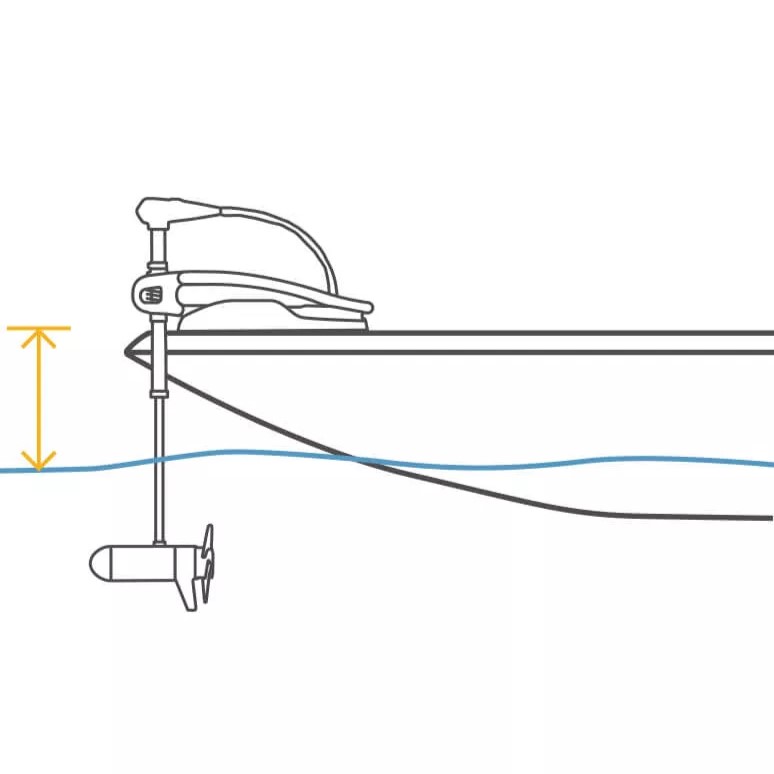
| Bow to Waterline | Recommended Shaft Length |
|---|---|
| 0 to 10 inches | 36 inches |
| 16 to 22 inches | 42 to 45 inches |
| 22 to 28 inches | 48 to 52 inches |
| 28 to 34 inches | 54 to 60 inches |
| 34 to 52 inches | 72 to 87 inches |
| 52 to 72 inches | 100 inches |
If you are between sizes, choose the longer shaft.
Transom Mount Shaft Length Guide
Measure from the transom mounting point to the waterline.
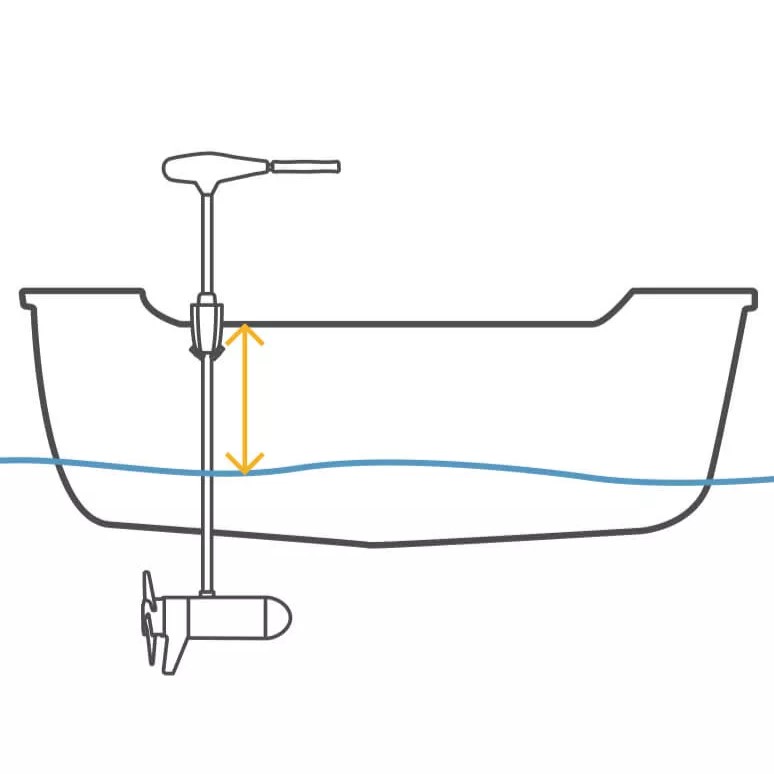
| Transom to Waterline | Recommended Shaft Length |
|---|---|
| 0 to 10 inches | 30 inches |
| 10 to 16 inches | 36 inches |
| 16 to 22 inches | 42 inches |
| 22 to 28 inches | 55 inches |
4. Mount Type: Bow Mount vs Transom Mount
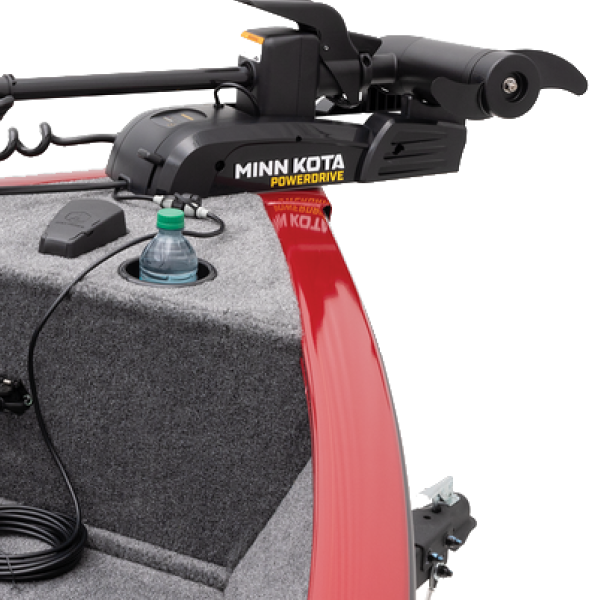
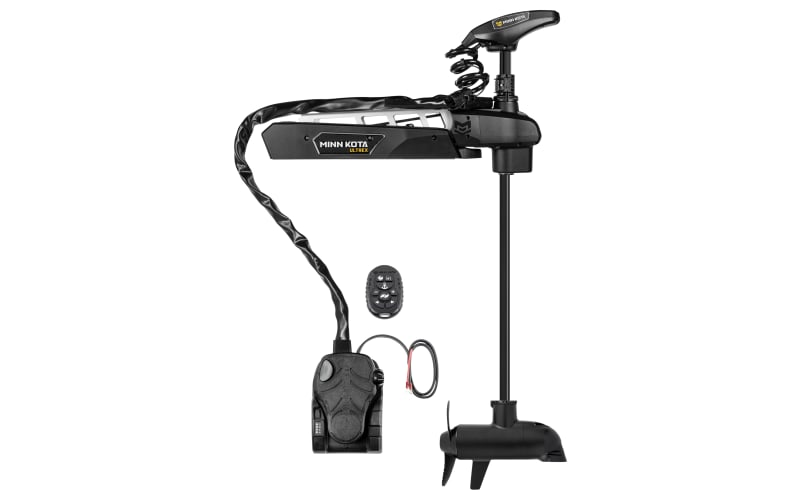
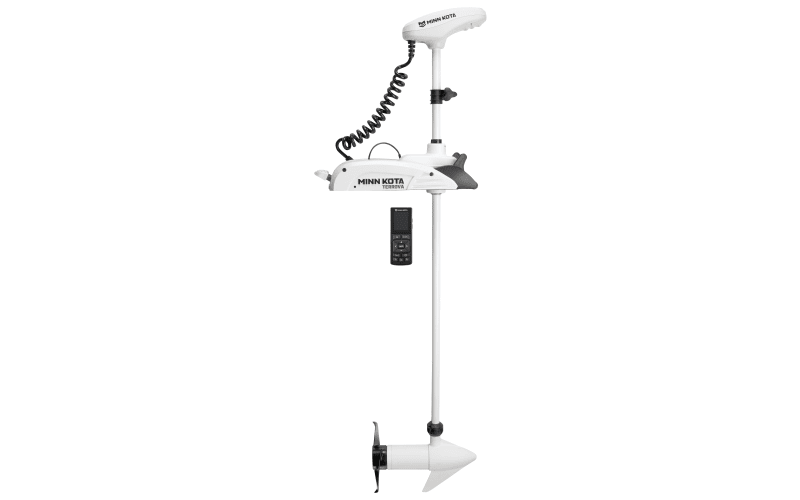
Bow Mount Motors
- Ideal for bass boats and open bow boats
- Provide better steering control
- Great for precise boat positioning
- Often include foot pedal control
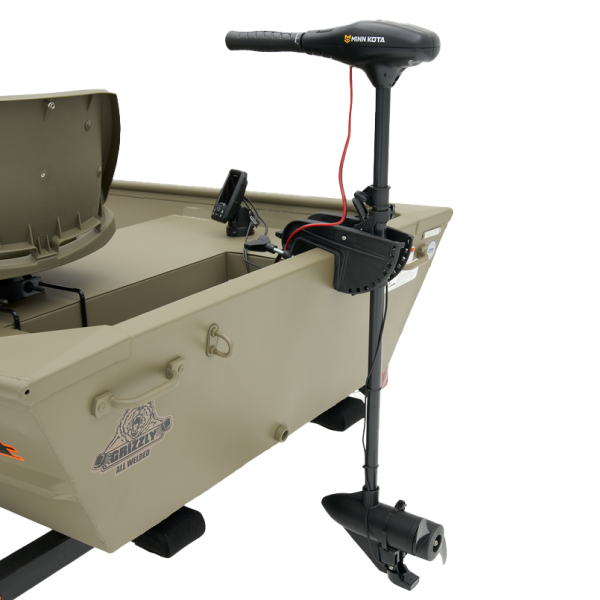
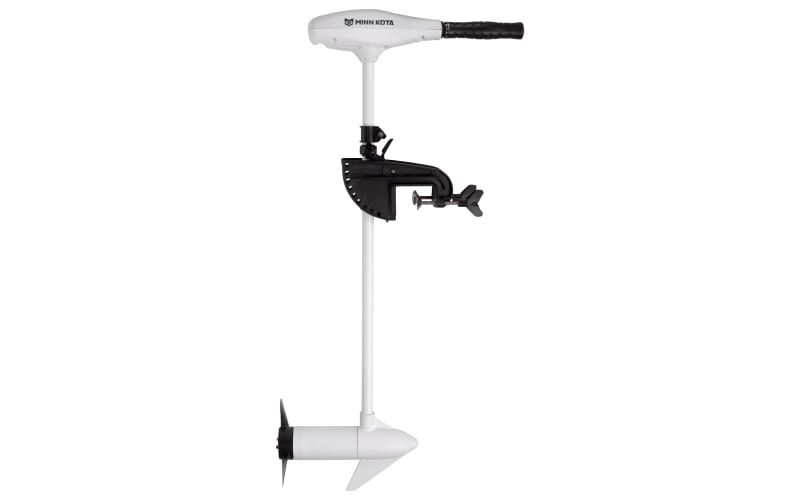
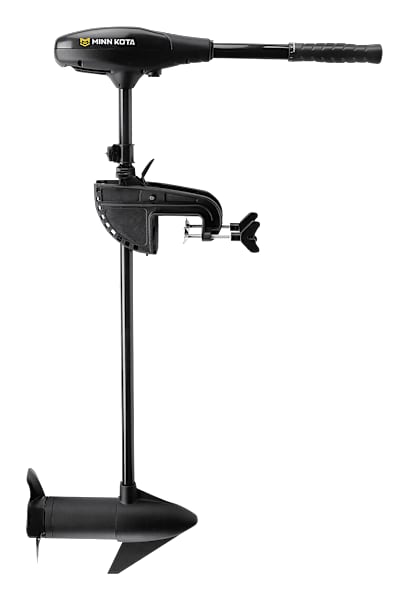
Transom Mount Motors
- Mounted at the back of the boat
- Common on small boats and jon boats
- Typically controlled by a tiller handle
- Easier to install
5. Motor Type: Brushed vs Brushless
| Feature | Brushed Motor | Brushless Motor |
|---|---|---|
| Efficiency / Runtime | Lower | Higher, up to 20 to 50 percent longer |
| Noise Level | Audible hum | Extremely quiet |
| Maintenance | Brush replacement needed | Minimal |
| Weight | Heavier | Lighter |
| Cost | Budget friendly | Premium priced |
| Power / Torque | Adequate | Higher and stronger thrust |
Saltwater vs Freshwater Use
Saltwater motors include corrosion resistant components and better electrical sealing.
Using a freshwater motor in saltwater is not recommended. If used in saltwater, rinse thoroughly after each trip.
Special Considerations
Kayaks and Canoes
Choose lighter motors with lower thrust ratings that match the craft size.
Heavy Vegetation
Some motors include weedless prop designs. Always check for tangled weeds to prevent overheating.
Retrofitting a Boat
Most boats can be fitted with a trolling motor. Confirm mounting location, battery space, and electrical capacity first.
Advanced Features
Modern trolling motors may include:
- GPS anchoring and Spot Lock
- Autopilot and route recording
- Bluetooth connectivity
- Remote controls
- Built in sonar compatibility
Final Thoughts
- Match thrust to total boat weight
- Select the proper voltage for your fishing style
- Measure carefully for shaft length
- Account for wind and rough water
When in doubt, choose slightly more thrust and a slightly longer shaft. Proper sizing improves performance, battery life, and boat control.
- 11159 views