


Understanding How Suppressors Work
Have you ever wondered how suppressors actually work?
Let’s start with the basic parts.
Many shooters are curious about what happens inside a suppressor and how it reduces both noise and recoil. In this guide, we will break down the anatomy of a suppressor and explain the simple physics behind it.
Suppressors do not make firearms silent. What they do is manage pressure and gas in a controlled way. That control reduces muzzle blast and can also help with recoil.
Explore SuppressorsAnatomy of a Suppressor
To understand how suppressors work, you need to understand the main components. While designs vary, most suppressors include:
- Outer tube
- Baffles or core
- End cap
- Mounting system
Each part plays a role in sound reduction and performance.
Outer Tube
The outer tube is the body of the suppressor. It holds everything together and must handle extreme heat and pressure.
It is commonly made from:
- Titanium
- Stainless steel
- Aluminum
The outer tube does more than provide structure. It also absorbs heat as hot gases move through the suppressor.
Baffles or Core
The baffles are the heart of the suppressor.
They divide the inside into small chambers. When hot gas enters the suppressor, it does not escape immediately. Instead, it moves through these chambers step by step.
Each chamber slows and cools the gas.
Some suppressors use stacked baffles. Others use a single machined core called a monocore. Both designs work by controlling gas expansion.
End Cap
The end cap seals the front of the suppressor. It has a precise opening that allows the bullet to exit safely.
The alignment must be exact to maintain accuracy and safety.
Mounting System
Suppressors attach to firearms using different systems.
Common types include:
- Direct thread
- Quick detach
Direct-thread suppressors screw directly onto the barrel. Quick-detach systems use a muzzle device that allows faster removal and installation.
Both systems must keep the suppressor aligned with the bore.
The Physics Behind Suppressors
When a firearm is fired, burning powder creates high pressure gas. That gas pushes the bullet down the barrel. When the bullet exits, the gas follows and escapes at high speed.
That fast release creates the loud muzzle blast.
A suppressor changes how that gas escapes.
Gas Expansion and Velocity Reduction
Inside the suppressor, gas enters the first chamber under high pressure. It expands into that chamber and loses energy.
It then moves into the next chamber.
At each stage:
- Pressure drops
- Temperature decreases
- Gas slows down
By the time the gas exits, it is cooler and under lower pressure. Lower pressure means less intense sound.
Gas Movement Inside a Suppressor
| Stage | Gas Condition | Result |
|---|---|---|
| Entry | Very hot and high pressure | Loud potential blast |
| First chamber | Expands | Pressure begins to drop |
| Middle chambers | Continues expanding | Gas slows and cools |
| Exit | Lower pressure gas | Reduced muzzle blast |
This controlled expansion is what reduces sound.
Muzzle Blast vs Sonic Crack
Two sounds occur when a gun is fired.
The first is muzzle blast from expanding gas. The second is the sonic crack from a bullet traveling faster than sound.
Suppressors reduce muzzle blast but cannot eliminate the sonic crack.
Shooters who want even more noise reduction sometimes use subsonic ammunition.
More about subsonic ammunition:
Sound Comparison
| Sound Type | Reduced by Suppressor | Reduced by Subsonic Ammo |
|---|---|---|
| Muzzle Blast | Yes | No |
| Sonic Crack | No | Yes |
Rifle Suppressors vs. Pistol Suppressors
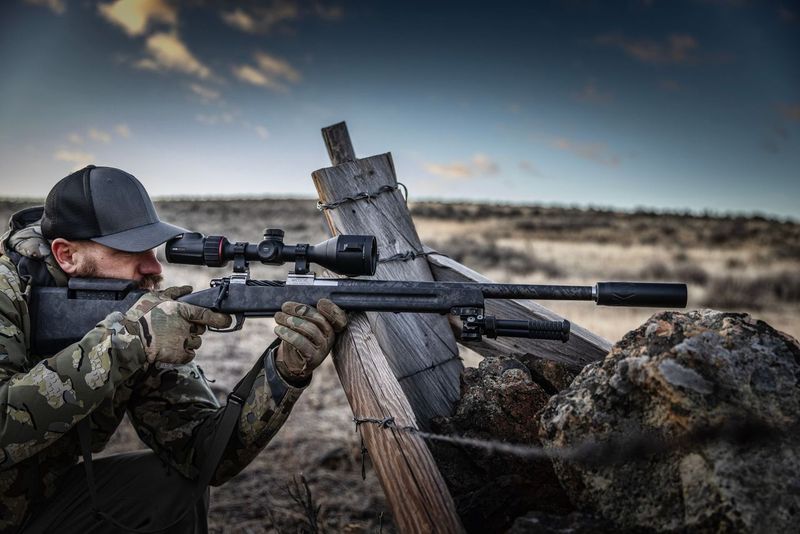
Many people ask whether rifle suppressors and pistol suppressors are made differently.
The answer is that the manufacturing process is very similar.
Both rifle and pistol suppressors are built using precision machining and threading. Both use strong metal alloys that can handle repeated firing. The same engineering principles, baffle designs, and construction methods apply to both types.
However, they are designed for different pressure levels.
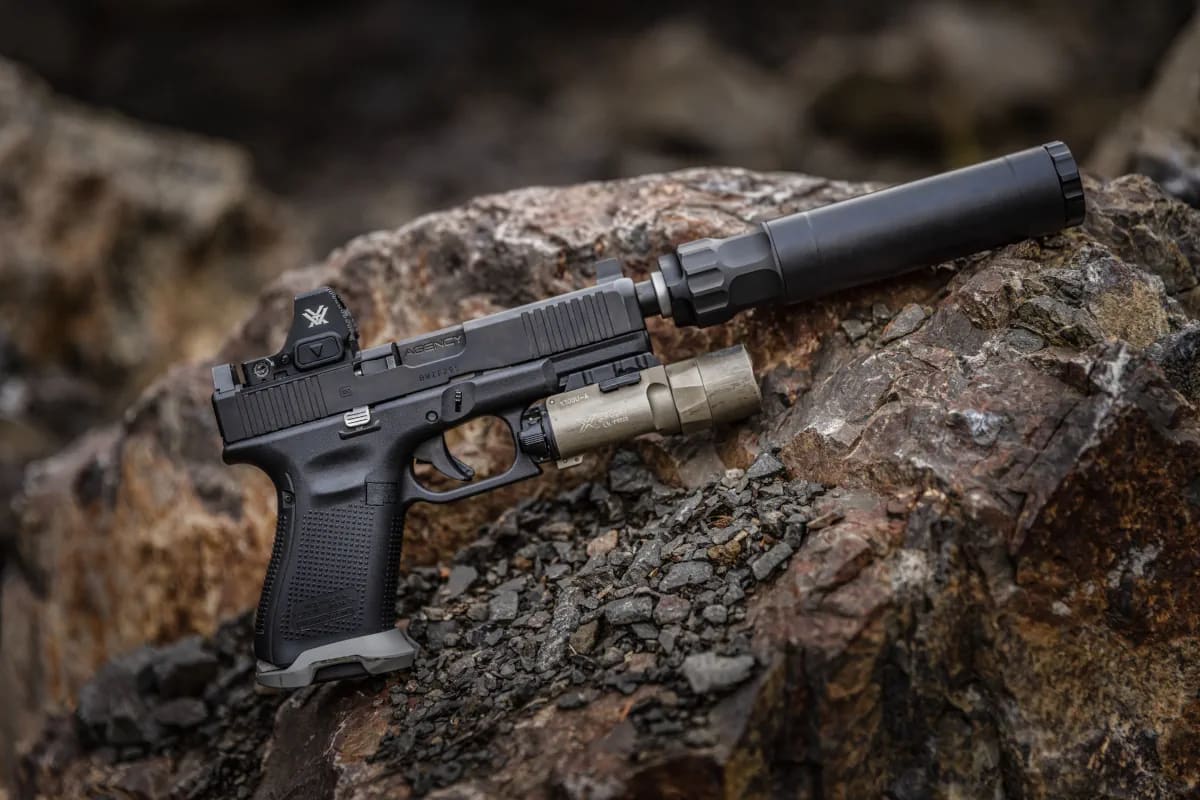
Rifle cartridges produce much higher pressure and heat than most handgun cartridges. Because of this, rifle suppressors are often built to handle greater stress. They may use thicker materials or designs that manage higher temperatures.
Pistol suppressors are usually optimized for lower-pressure rounds. Many include a booster system that allows semi-automatic pistols to cycle properly with the added weight of the suppressor.
Rifle vs Pistol Suppressors
| Feature | Rifle Suppressor | Pistol Suppressor |
|---|---|---|
| Manufacturing Process | Precision machined | Precision machined |
| Core Technology | Same design principles | Same design principles |
| Pressure Handling | Higher | Lower |
| Booster System | Not typically needed | Often required |
Even though they are built for different roles, the core technology behind both types is the same. They all rely on slowing and cooling gas through controlled expansion.
Explore SuppressorsSuppressors and Recoil Reduction
Suppressors also help reduce felt recoil.
When gas exits the barrel quickly, it creates rearward force. Inside a suppressor, gas is slowed and redirected. As it moves through chambers, it pushes in different directions.
This spread-out force can help reduce recoil and muzzle rise.
Benefits may include:
- Softer shooting feel
- Faster follow up shots
- Improved control
Recoil reduction varies depending on firearm type and suppressor design.
Benefits of Using a Suppressor
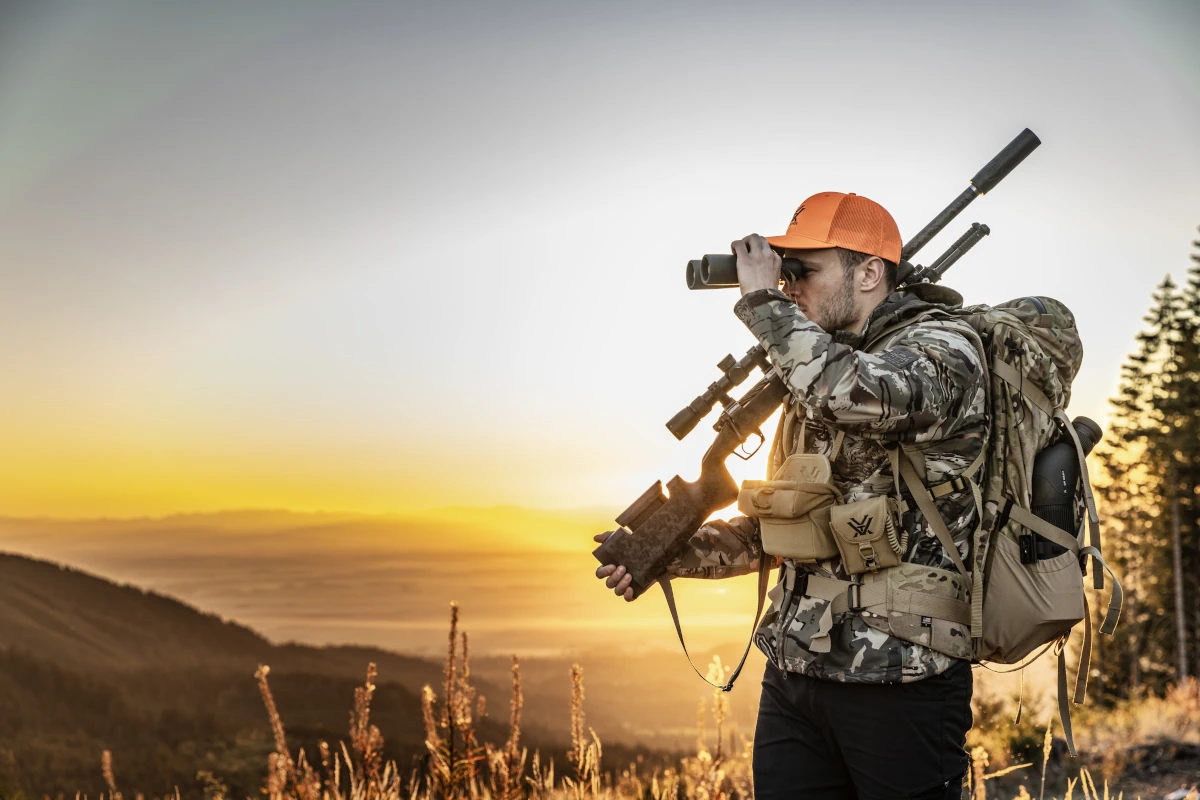
Suppressors offer several advantages for hunters and target shooters.
Noise Reduction
Suppressors help reduce the firearm’s sound signature.
Hearing protection is still recommended, but suppression can make shooting more comfortable.
Improved Accuracy
Reduced recoil and muzzle rise can help shooters stay on target.
Reduced Disturbance
Lower noise can reduce disturbance to wildlife and other shooters.
Better Communication
Shooters can communicate more easily between shots.
Shop Online
Explore shooting gear and outdoor essentials at Bass Pro Shops and Cabela's. Whether you are upgrading your setup or researching suppressor-ready accessories, both retailers offer a wide selection for range and field use.
Visit a Store Near You
Talk with a knowledgeable outfitter and find gear for your next trip by using the Store Locator.
- 1518 views