

Bass Pro Shops Ultimate Beginner's Guide to Bowfishing: Gear, Setup & How to Get Started
What You Need and How to Hit Your First Fish
Bowfishing is one of the most exciting ways to get on the water. It combines the fast-paced action of archery with the visual thrill of fishing, creating an experience that is active, challenging, and beginner-friendly from the very first trip.
Unlike traditional fishing, there is no waiting on a bite. You are scanning shallow water, watching for movement, adjusting your aim, and taking the shot in real time. Every moment is hands-on, which is exactly why so many newcomers get hooked on it so quickly.
Whether you are stepping into bowfishing for the first time, building your first setup, or starting to think about bigger experiences like fishing the Ozarks and preparing for tournament environments, this guide will walk you through the essentials.
In This Article
- Quick Answer: What Is Bowfishing?
- Why Bowfishing Is Great for Beginners
- What Fish Can You Bowfish?
- Essential Bowfishing Gear for Beginners
- The Best Beginner Bowfishing Setup
- Why Boat Selection Matters in Bowfishing
- Recommended Bowfishing Boat Platforms
- How to Bowfish: Step by Step
- Beginner Bowfishing Tips That Actually Help
- Common Beginner Bowfishing Mistakes
- Day vs. Night Bowfishing
- Where to Go Bowfishing
- Safety and Regulations
- Bowfishing Apparel and Performance Gear
- Why Bowfishing Matters Beyond the Shot
- Frequently Asked Questions About Bowfishing
- Expert Insights
- A Commitment to Conservation
Quick Answer: What Is Bowfishing?
Bowfishing is a method of fishing that uses a bow and arrow to shoot fish in shallow water. The arrow is attached to a line, so after the shot, you can retrieve both the arrow and the fish.
It is most commonly used to target non-game or rough fish such as carp, gar, buffalo, and bowfin, depending on local regulations.
What makes it different from traditional fishing:
- No bait required
- No casting and waiting
- Immediate action and feedback
- Highly visual, active experience
- Great fit for both beginners and experienced outdoorsmen
Why Bowfishing Is Great for Beginners
Bowfishing is one of the most approachable ways to get started on the water because the learning curve is simple and the action keeps you engaged.
You do not need years of fishing knowledge to enjoy it. If you can learn to spot fish, understand how refraction changes your aim, and get comfortable with a simple setup, you can start making progress quickly.
Why beginners love it:
- It is active and exciting
- You learn by doing
- Shots happen at close range
- Skills improve fast with practice
- It combines fishing, shooting, and on-the-water adventure in one experience
The key is starting with the right setup and focusing on fundamentals instead of overcomplicating the sport.
What Fish Can You Bowfish?
Bowfishing typically focuses on species that are abundant, invasive, or classified as rough fish. These fish often move through shallow water, making them easier to spot and target.
Common bowfishing species include:
- Carp
- Gar
- Buffalo fish
- Bowfin
- Other legal rough fish, depending on state regulations
Before heading out, always check the local regulations for the specific waters you plan to fish. Legal species, seasons, and equipment rules vary by state.
Essential Bowfishing Gear for Beginners
The best beginner setup is simple, durable, and built to help you learn the basics without frustration. You do not need an overly complex rig to get started. You need gear that is dependable, easy to use, and suited for real conditions on the water.
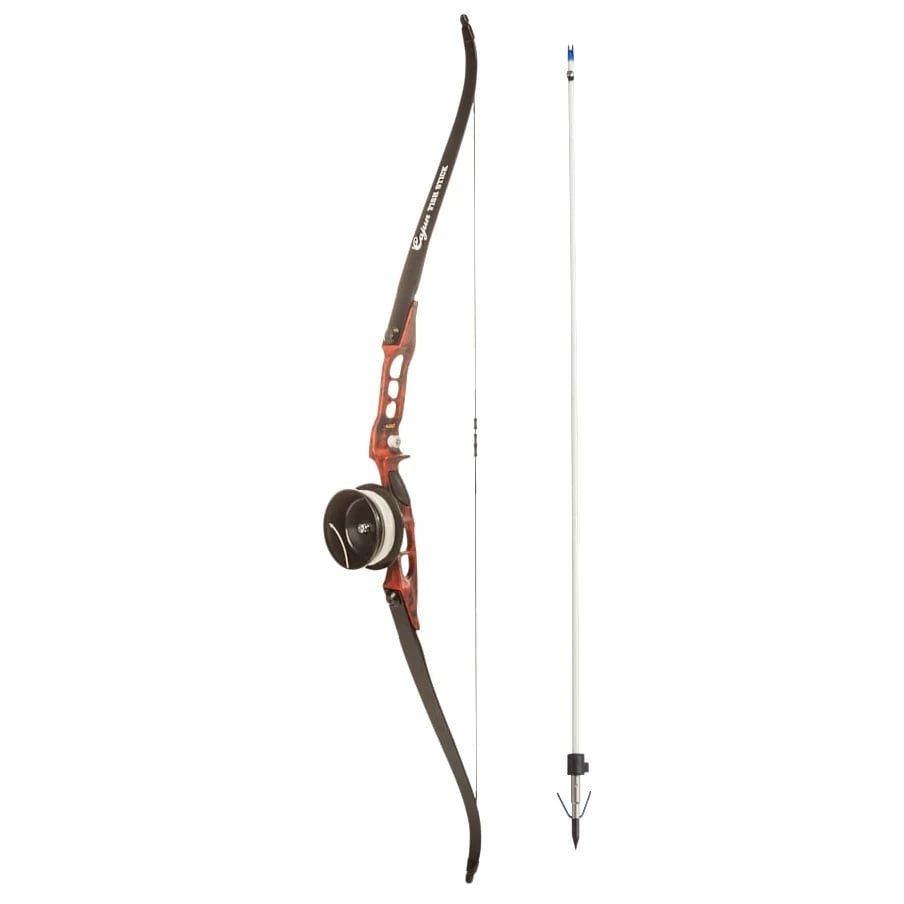
Bow: Start With a Reliable Foundation
A quality bow is the core of your setup. In bowfishing, durability matters just as much as performance because your gear will be used in wet, rugged conditions.
Recommended option: Cajun Bows
Why it works for beginners:
- Durable construction
- Smooth performance
- Built for repeated use in demanding environments
- Trusted by serious bow fishermen
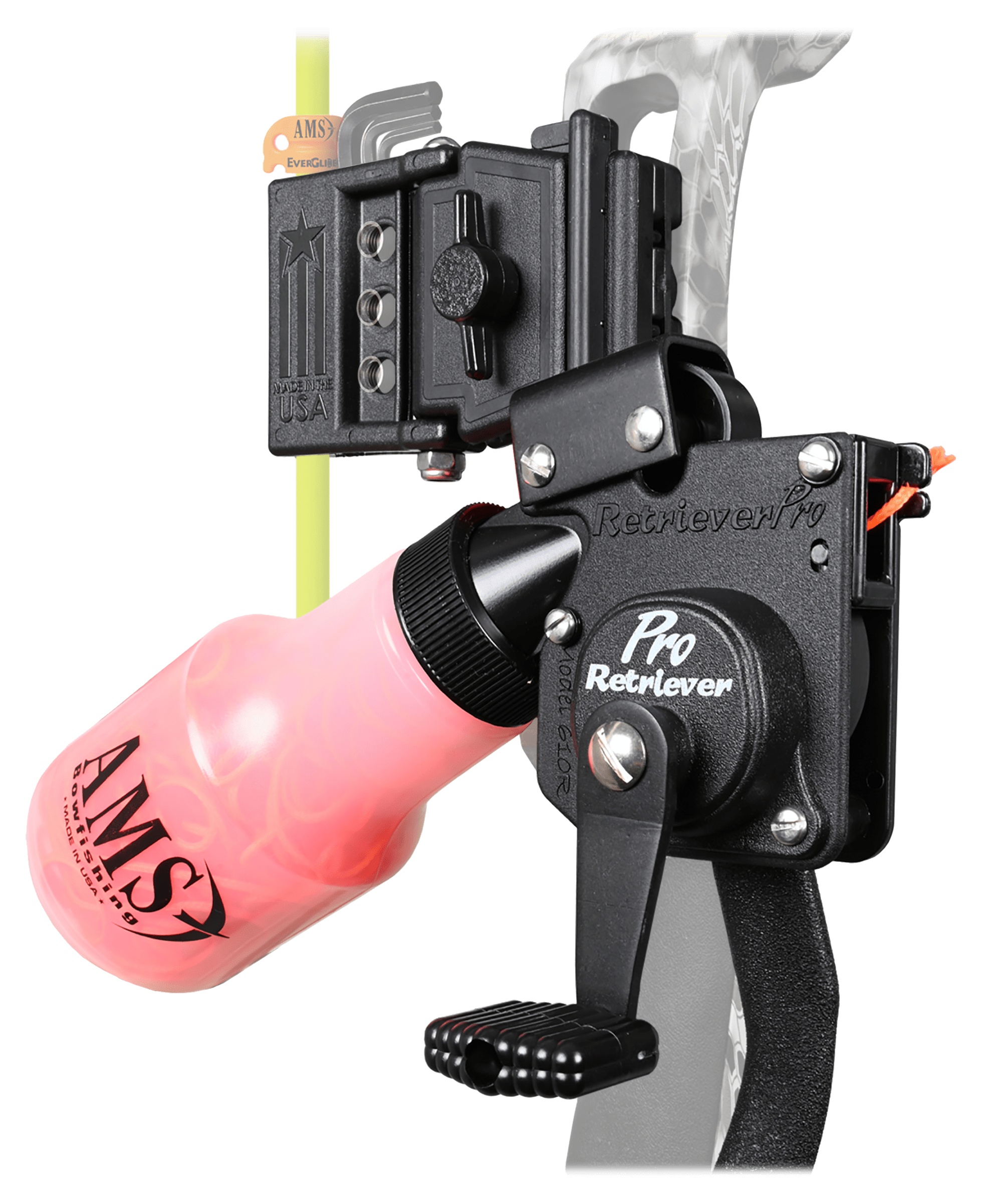
Reel: Choose Fast, Tangle-Free Retrieval
Your reel needs to be easy to use after the shot. Smooth retrieval saves time, reduces frustration, and keeps your focus on the next opportunity.
Recommended option: AMS Bowfishing Retriever Pro Bowfishing Reel
Why it stands out:
- Smooth operation
- Quick line retrieval
- Tangle-free design
- Beginner-friendly performance
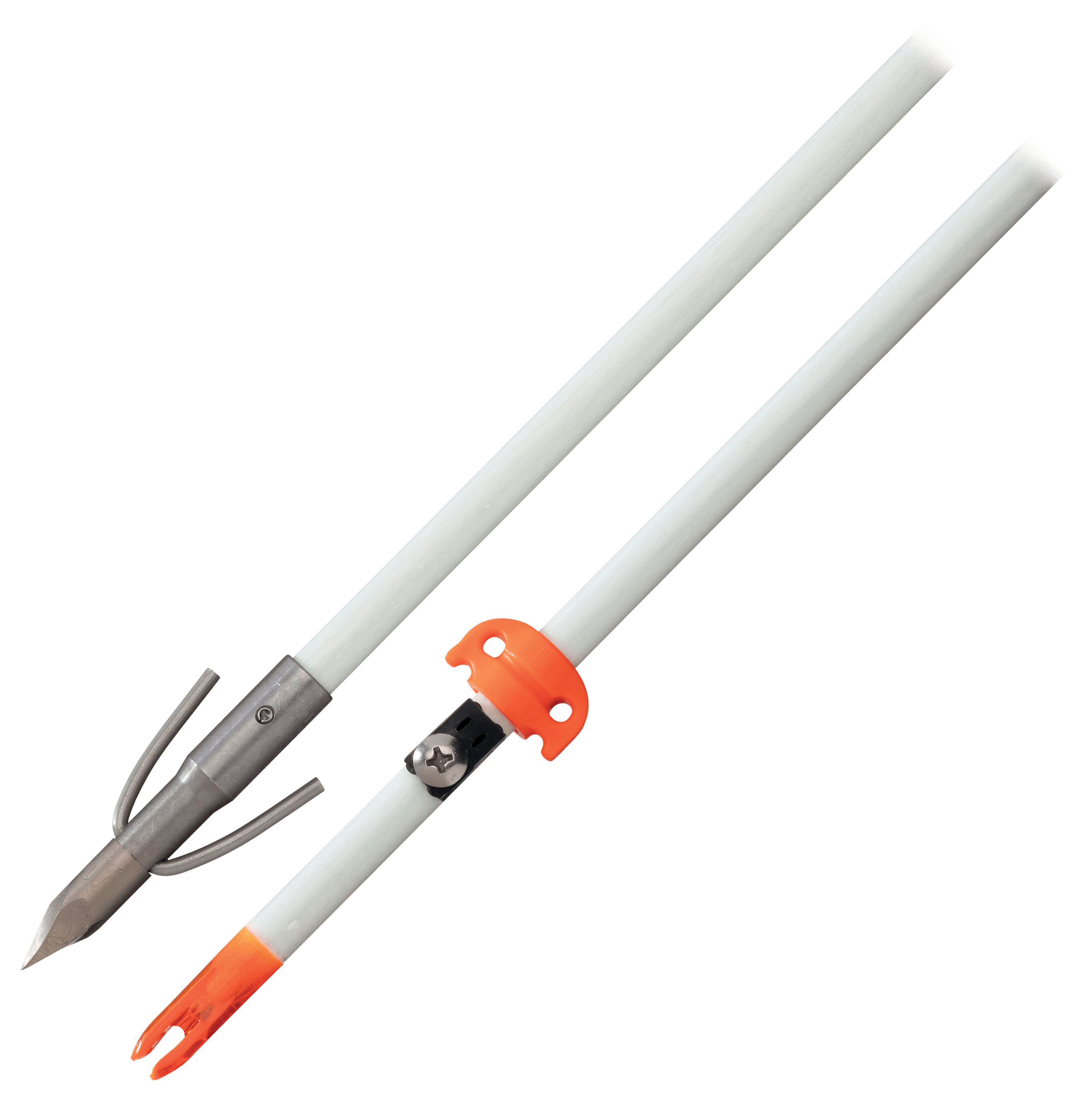
Arrow: Durability Matters
Bowfishing arrows take abuse. They need to be strong enough to penetrate fish, hold up to repeated shots, and perform consistently.
Recommended option: Muzzy Classic Fish Arrow with Carp Point
Why it works:
- Built for durability
- Strong penetration
- Reliable performance on a range of fish species
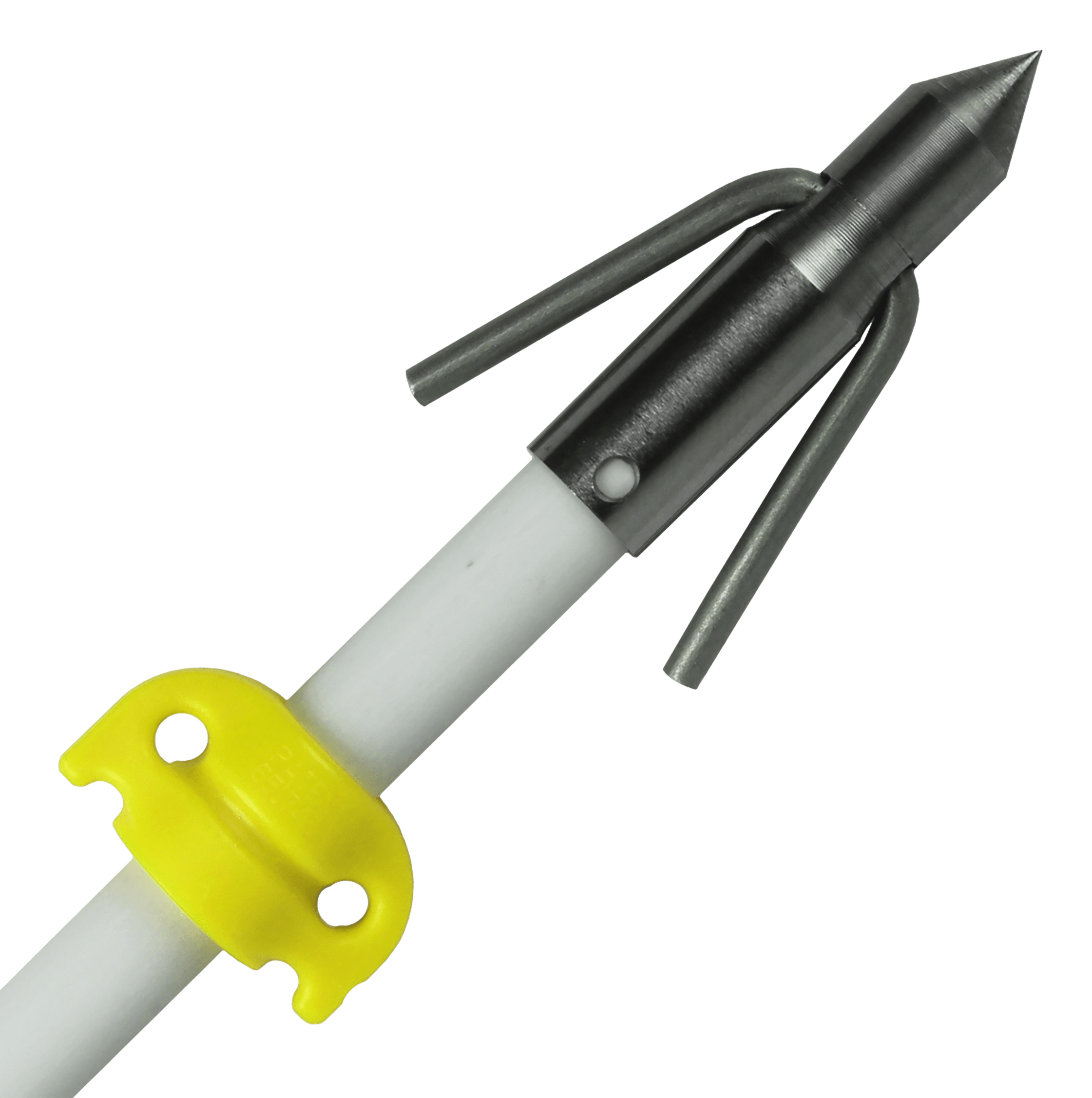
Tips: Secure Your Catch
A good tip helps hold fish securely after impact and reduces the chances of losing them during retrieva
Recommended option: AMS Bowfishing Ripz Tip Replacement Tips
Why they matter:
- Strong holding power
- Dependable retention
- Smart upgrade for consistent results
The Best Beginner Bowfishing Setup
If you want a simple starting point, your first setup should include:
- A durable bow
- A retriever-style bowfishing reel
- A tough fiberglass arrow
- A dependable barbed tip
- Polarized eyewear for daytime visibility
- A stable shooting platform
That combination gives you everything you need to start learning, practicing, and building confidence on the water.
Why Boat Selection Matters in Bowfishing
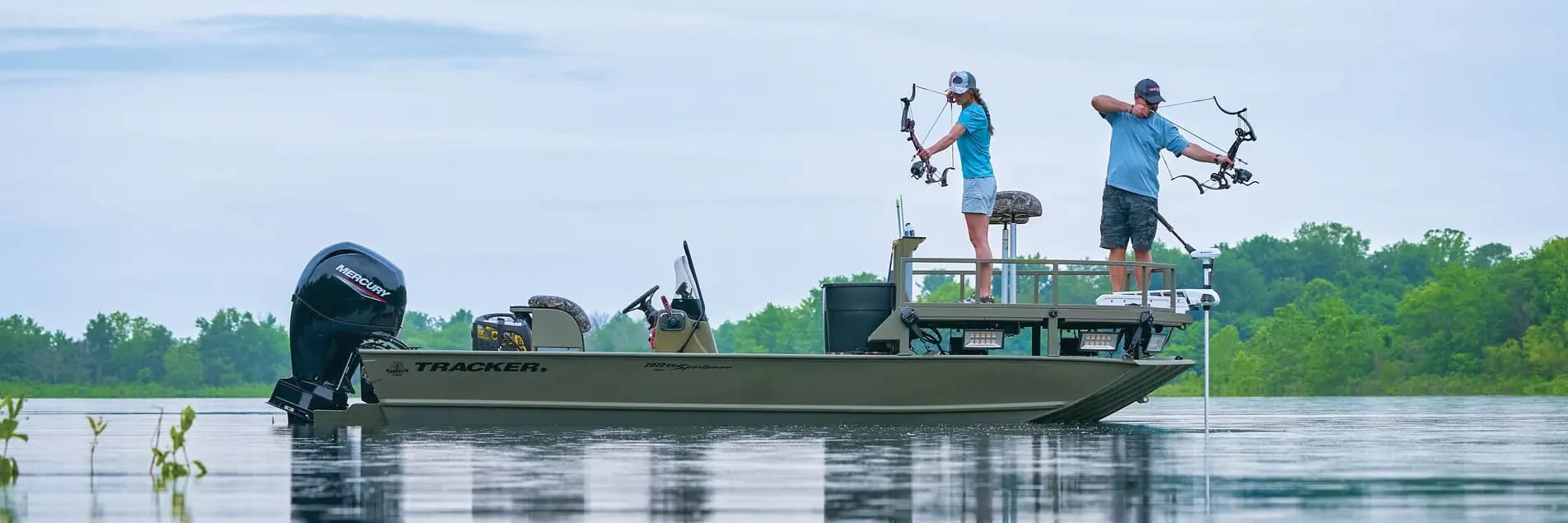
A bowfishing boat is more than transportation. It is your shooting platform, your line of sight, your mobility system, and your base of operation.
The right boat can dramatically improve your experience by giving you:
- Better stability while shooting
- More room to move
- Better control in shallow water
- Compatibility with lighting systems for night fishing
- A more comfortable platform for longer trips
For beginners, stability and deck space are especially important. The less you have to think about balance and movement, the more you can focus on spotting fish and making clean shots.
Recommended Bowfishing Boat Platforms
Models from Tracker Boats are especially well suited for bowfishing because they offer open deck layouts, shallow-water capability, and the kind of stability that makes life easier on the water.
Recommended setups:
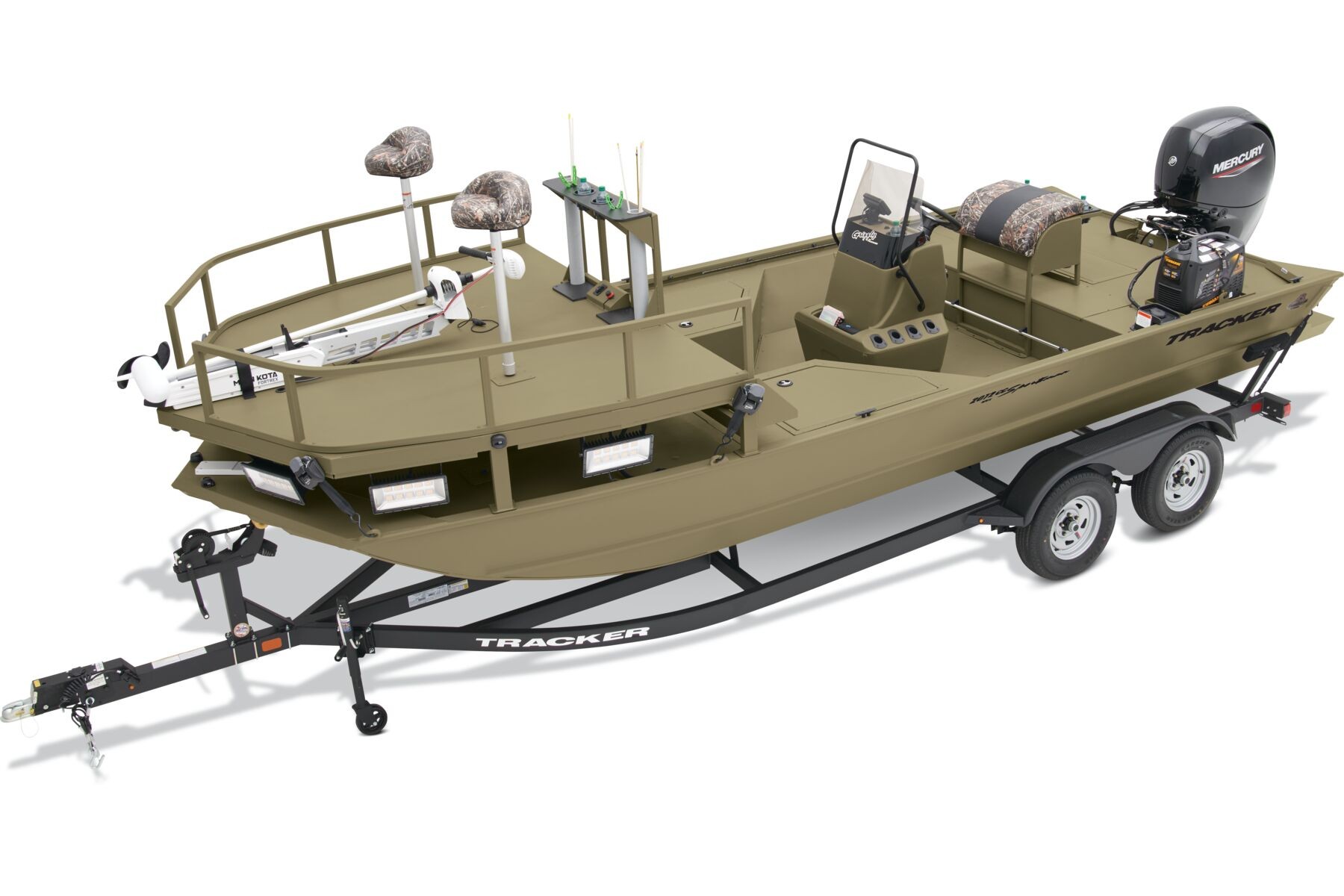
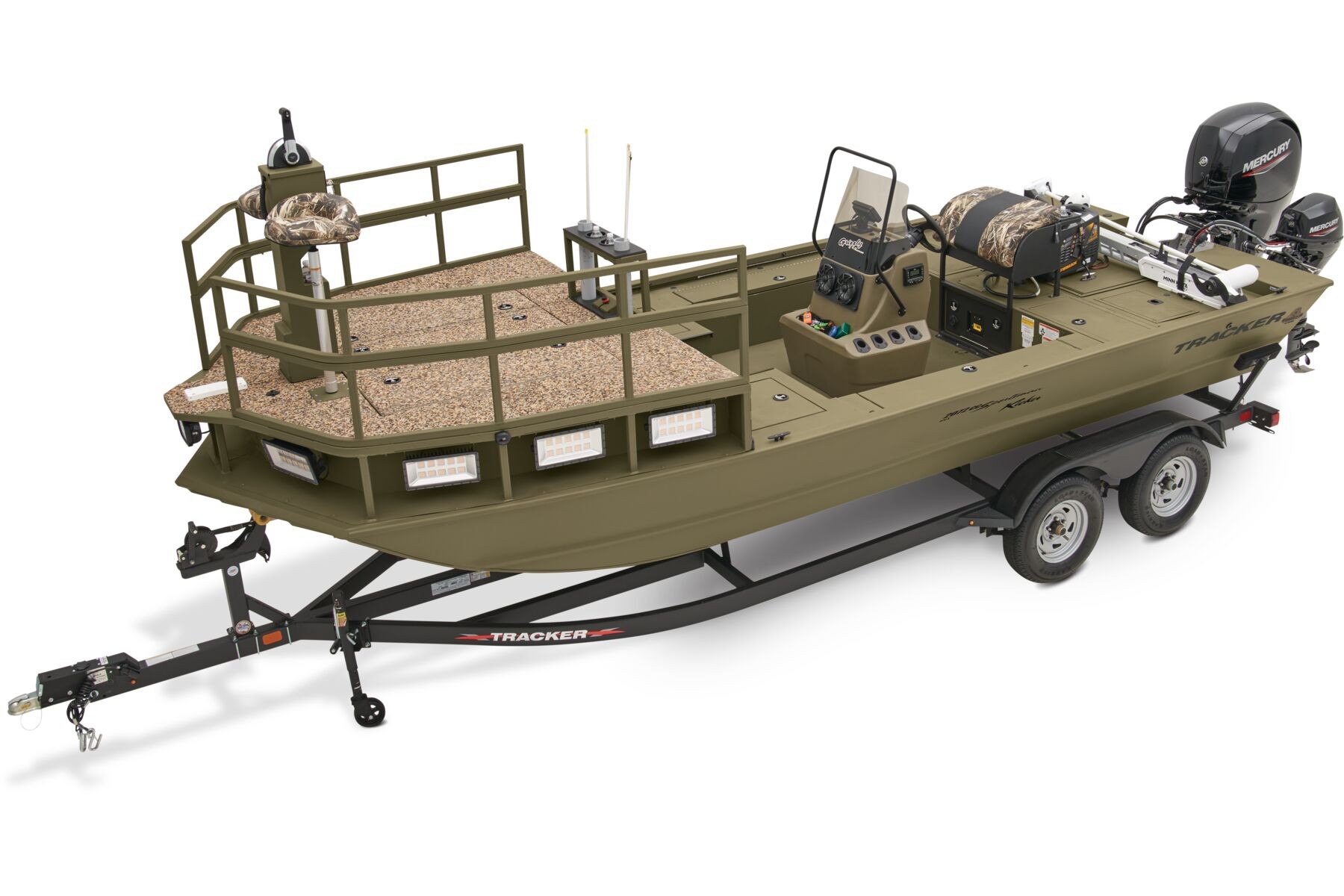
Why these setups make sense:
- Wide, open deck space for movement
- Stable shooting platform
- Built for shallow-water use
- Great fit for adding lights and other bowfishing accessories
How to Bowfish: Step by Step
If you are new to the sport, mastering a few fundamentals will make the biggest difference.
1. Spot the Fish
Look for movement, shadows, shapes, or subtle changes in the water near shallow banks, flats, coves, and backwaters.
2. Aim Below the Fish
This is the most important rule in beginner bowfishing.
Because of light refraction, fish appear higher in the water than they actually are. If you aim directly at the fish, you will usually miss high. Always aim below the visible target.
3. Take the Shot Smoothly
Stay balanced, draw smoothly, and focus on shooting through the fish rather than stabbing at the surface.
4. Retrieve Your Arrow
Use your reel to pull your arrow and fish back in. Stay controlled and keep tension steady.
5. Stay Close
Most beginner-friendly shots happen within 10 to 20 feet. Closer shots help you learn faster and improve success while you adjust to refraction.
Beginner Bowfishing Tips That Actually Help
A few small adjustments can make a big difference early on.
Start Close and Slow
Do not rush. Focus on short, high-percentage shots and learn what success feels like.
Move Quietly
Noise and sudden movement can spook fish. Use a trolling motor when possible and keep movement controlled.
Watch Fish Behavior
Pay attention to direction, speed, and depth. Understanding how fish move helps you anticipate better shots.
Practice Before the Trip
A little off-water practice helps build muscle memory and confidence before your first real outing.
Keep It Simple
You do not need every accessory at the start. Learn with a clean, reliable setup and upgrade as your experience grows.
Common Beginner Bowfishing Mistakes
New bow fishermen usually improve quickly once they correct a few common mistakes.
Aiming Directly at the Fish
This is the biggest one. Refraction makes fish appear higher than they are. Aim lower.
Moving Too Fast
Fast motion on the boat reduces your chances and spooks fish.
Taking Low-Percentage Shots
Long shots may feel tempting, but close shots teach you more and produce better results.
Overbuilding Your Setup
Too much gear too early can distract from learning the fundamentals.
Not Practicing First
Even a little practice before your trip can make your first outing much more successful.
Day vs. Night Bowfishing
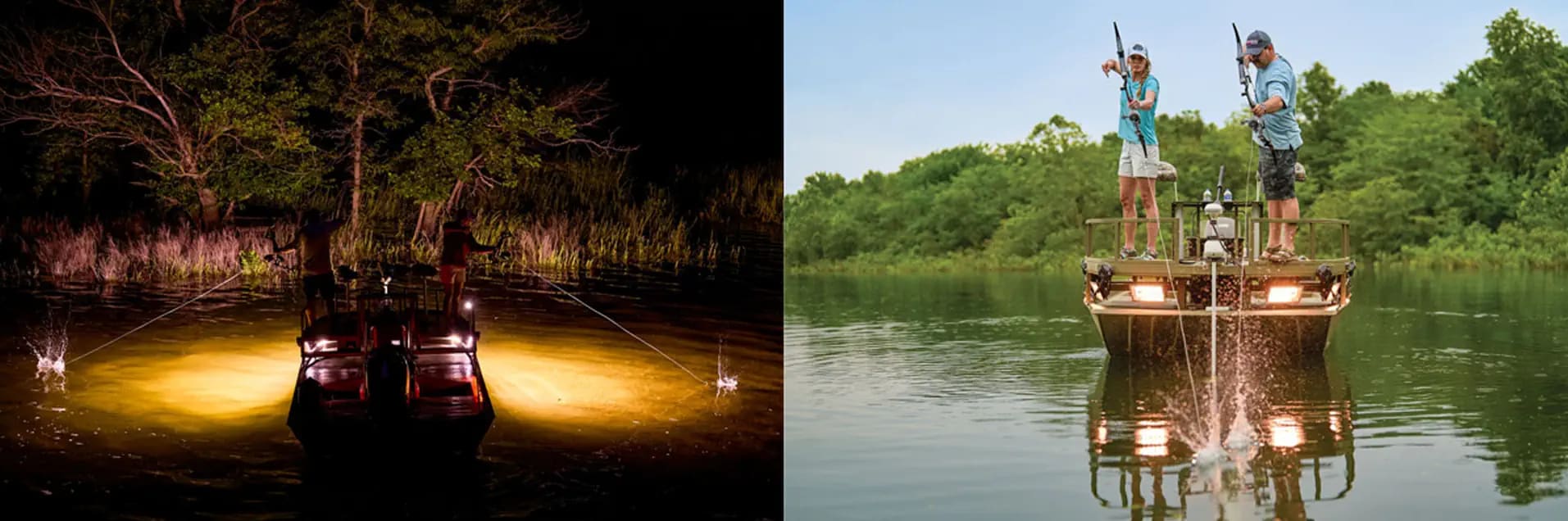
Both daytime and nighttime bowfishing can be effective, but each offers a different experience.
Daytime Bowfishing
Best for:
- Learning fundamentals
- Clear-water conditions
- Scouting areas
- Easier visibility for beginners
Challenges:
- Limited by water clarity
- Fish can be harder to spot in some conditions
- Less control over visibility
Night Bowfishing
Best for:
- More fish activity
- Better visibility with lights
- Greater control over the fishing environment
- Serious bowfishing trips
Challenges:
- Requires proper lighting setup
- Requires good awareness and safe boat operation
- Adds complexity for first-timers
In general, daytime bowfishing is great for learning, while night bowfishing is often the most productive once you gain confidence.
Where to Go Bowfishing
The best places to bowfish are areas where fish move shallow and can be seen clearly.
Look for:
- Shallow flats
- Shoreline edges
- Back coves
- Creek arms
- Flooded timber
- Reservoir shallows
- River backwaters
Spring and summer are often the best seasons because many target fish move into shallow water during spawning periods.
For anglers looking at Missouri and the Ozarks, waters connected to major bowfishing activity and tournament interest offer strong opportunities for both beginners and advancing anglers.
Safety and Regulations
Bowfishing is safe and highly enjoyable when done responsibly. Like any shooting sport, it requires awareness, discipline, and respect for regulations.
Always:
- Follow local rules on legal species and methods
- Carry the proper fishing license where required
- Use approved lights and equipment
- Wear protective eyewear
- Keep arrows secured when not in use
- Never shoot toward people, docks, or nearby boats
- Stay aware of surroundings before every shot
Before every trip, check current state and local regulations for the waters you plan to fish.
Bowfishing Apparel and Performance Gear
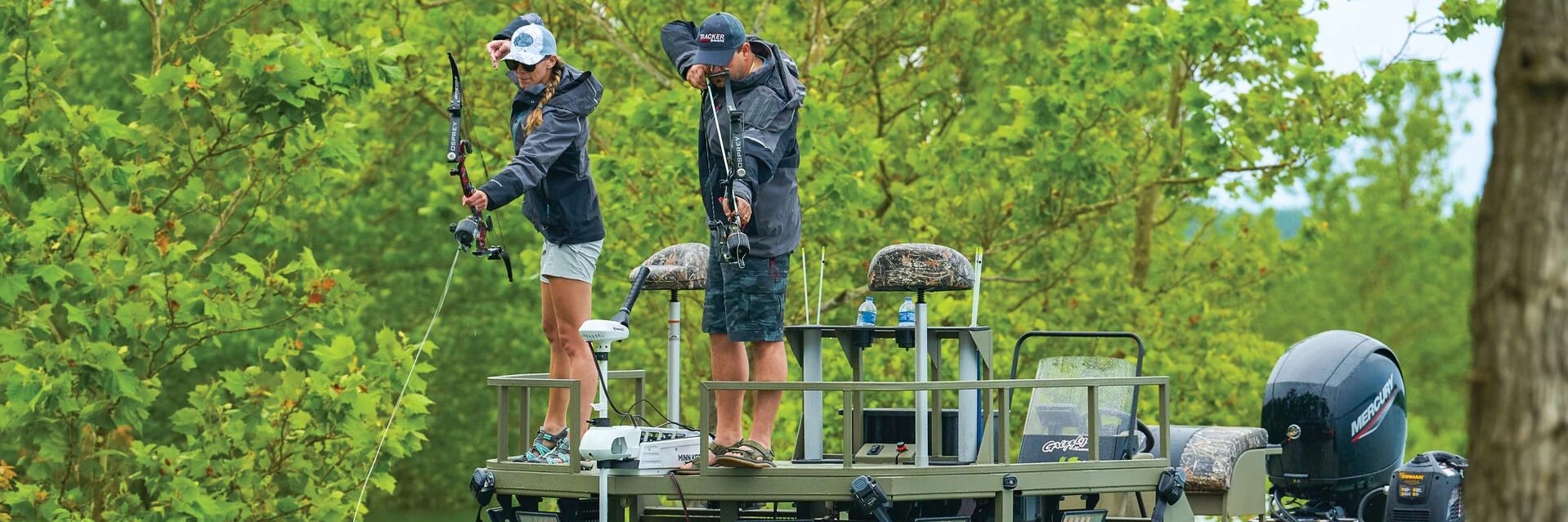
Comfort makes a big difference during long hours on the water, especially in changing temperatures or during extended night trips.
What to look for:
- Breathable fabrics
- Moisture-wicking performance
- Easy movement
- Quick-drying materials
- Durable outer layers when needed
Recommended apparel options:
- Under Armour for lightweight performance wear
- Ascend for outdoor-ready gear
The right clothing helps you stay comfortable, focused, and mobile from launch to last shot.
Shop NowWhy Bowfishing Matters Beyond the Shot
Bowfishing is not just exciting. It also plays a meaningful role in conservation.
Many bowfishing target species are invasive or overly abundant and can negatively affect native fish populations and habitat balance. In that way, bowfishing supports healthier waterways while giving anglers an active way to participate in outdoor stewardship.
It is one of the few sports where recreation and conservation often work hand in hand.
Frequently Asked Questions About Bowfishing
What is the best bow for beginners?
A durable, easy-to-use setup from Oneida Eagle Bows is a strong place to start for beginners who want reliable performance and long-term value.
Do you need a special boat for bowfishing?
Not necessarily, but a stable platform like those offered by Tracker Boats improves visibility, movement, and shot control, especially in shallow water.
Why do you aim below the fish?
Because light bends in water. Fish appear higher than they actually are, so aiming low helps compensate for refraction.
What fish can you bowfish?
In many areas, bowfishing is used for rough fish and non-game species like carp, gar, buffalo fish, and bowfin. Always check local regulations before going.
Is bowfishing hard to learn?
No. Bowfishing is very beginner-friendly. With the right setup and a little practice, most new anglers improve quickly.
Is day or night better for beginners?
Daytime can be easier for learning the basics, while night fishing is often more productive once you are comfortable with the sport.
Shop Online Anytime
Prefer to shop from home or continue building your setup?
Explore the full selection of bowfishing gear, boats, apparel, and accessories online:
From trusted brands like:
- Oneida Eagle Bows
- Tracker Boats
- Cabela's
- Under Armour Apparel
- AMS BowFishing
- World Wide Sportsman
- Ascend Gear
You'll find everything you need to get on the water with confidence.
Expert Insights
Bowfishing success comes down to:
- Positioning over precision
- Speed over perfection
- Repetition over single-shot accuracy
Experienced anglers focus on:
- Reading fish movement
- Managing lighting conditions
- Shooting angles from elevation
Explore More About Bowfishing
Don't miss out on the chance to learn more about bowfishing, improve your skills, and successfully catch your next big fish.
Interested in the U.S. Open Bowfishing Championship?
A Commitment to Conservation
At the heart of every cast, every shot, and every adventure is a shared responsibility—to protect the land and water that make it all possible.
Through conservation partnerships, habitat preservation, and responsible outdoor practices, Bass Pro Shops continues to lead with a commitment to sustaining the outdoors for future generations.
When you step onto the water, you're not just participating in a sport, you're becoming part of something bigger.
- 1443 views